Vegetarian Japanese Curry

Japanese curry is typically a sauce made of curry powder, garam masala and stock. You want to give your sauce plenty of time to cook together. Curry is all about the layers of flavor you can create in that one pan.

You want to make sure when you cut your vegetables they are all relatively the same size because that means an even cook on all of them. You want to pan fry your vegetables for three to five minutes to get some color on them. Color equals flavor which will add to the full rounded flavor of your sauce.

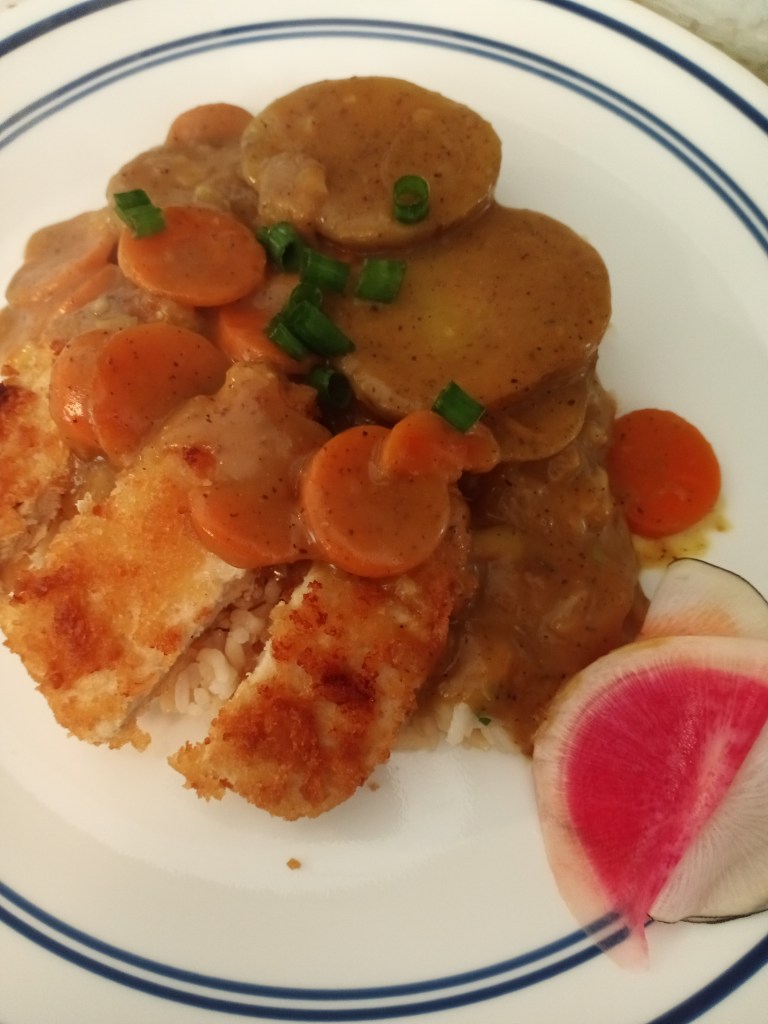
You can serve this dish with Tonkatsu pork which is more traditional, but I served mine with a breaded vegan turkey cutlet. You still get that crispy fried texture that you get with traditional curry, but the added benefit of it fitting into your dietary restrictions.
Ingredients

  • 1 package bread vegetarian cutlet (I used Gardein Turkey Cutlets)
  • 2 russet potatoes (Sliced thin)
  • 2 carrots(Sliced thin)
  • 1 white onion (diced)
  • 4 c. chicken stock
  • 3 tbsp. butter
  • 4 tbsp. flour
  • 1 tbsp. curry powder
  • 1 tsp. garam masala
  • 2 tbsp. oil(for frying veggies)
  • 2 cups rice
  • 1 watermelon radish(sliced thinly) or daikon
  • green onion(small chop)
  • 2 tbsp. rice vinegar

Directions

  1. Preheat oven according to package instructions on your breaded vegetarian cutlet.
  2. Put your sliced radish in a small bowl with the rice vinegar. The pickled radish is for garnish.
  3. Put oil into a medium frying pan. Toss in your onion and cook for four-five minutes until they begin to take on color.
  4. Place your carrot and potato in the pan and cook until your veggies start to color.
  5. Add butter to the pan and cook until butter is melted.
  6. Add flour and cook until flour is a light brown.
  7. Add chicken stock and dry seasons and cook for 20-30 minutes.
  8. I used instant rice for this recipe so it only took about five minutes. If that is what you choose to use you don’t need to cook your rice this early. You can wait till the last couple of minutes of cooking your sauce. If you choose to use regular rice in a rice cooker you are going to want to rinse and start your rice right now. The longer the sauce cooks the better the flavor so if your rice takes a little longer then you think just turn the heat down a little on your sauce. If it starts to get too thick you can add a little more chicken stock to thin it out and give the rice more time.
  9. After the sauce and rice have been cooking for roughly 10 minutes you can put your vegetarian cutlet into the oven. The ones I use take about 20 minutes to cook.
  10. Once everything is done cooking place your rice on the plate. Dress it with the curry sauce and vegetables. Place the cutlet on the plate and sprinkle the green onion over everything.

Crab Wontons

These little pockets of deliciousness are something I have to have every time I go out to eat Chinese food. The warm cream cheese interior with the crisp fried shell make these what I would consider one of the most perfect bites of food. So I had to figure out how to make them for myself. It’s cheaper then buying them and you can eat however many you want in the comfort of your own home without the tiny lady who runs the restaurant silently judging you from behind the counter.

I don’t call these things rangoons even though they have all the same ingredients because I tried desperately to make that little parcel shape with the four folds, but after failing the first two and nearly crying I stopped and decided triangle shapes would be just fine.

Tips:

Absolutely wait until your cream cheese comes up to room temperature. Don’t make the mistake I made because you will fight the mixture the entire time you are trying to combine it.

Make sure you have a fine chop on your green onions.

You can make these without the crab meat for a vegetarian option.

Ingredients

  • wonton wrappers
  • 1 8 oz pack of cream cheese
  • 2 green onions finely chopped
  • 1/4 pound imitation crab meat
  • a splash of soy sauce
  • vegetable oil for frying
  • 1 egg beaten for egg wash

Directions

  1. Place three inches of oil in a pot and begin to heat it. You want the oil to be between 350 and 360 degrees Fahrenheit. (You want enough oil to cover the wontons once they’re in the oil.)
  2. Put all your ingredients into a large bowl and mix to combine. It’s alright if your mix is a little clumpy because once they’re fried it will be warm and creamy.
  3. Egg wash all four sides of your wonton wrapper and place a dollop of your filling in the middle.
  4. Seal it up into a triangle shape.
  5. Once your oil is up to temp fry them for two minutes. Flipping the wonton half way through to get an even cook on both sides.
  6. Serve with whatever dipping sauce you enjoy.

What is Jackfruit? How do I use it?

What is it?

Jackfruit is a species of tree in the fig and mulberry family. It grows in the tropical region of Asia. It is used most commonly in South and Southeast Asian cuisine.

My Jackfruit Journey…

As a new vegetarian I am constantly on the lookout for new substitutes for the meat I gave up. I have fallen in love with the gardein brand of vegetarian meat substitutes. That’s not what this post is about though. Maybe another day. Today we focus on the learning experience I had when I tried to make Jackfruit cheesesteaks for my husband today. He was excited. I was excited. It was going to be great. Boy did I have something to learn.

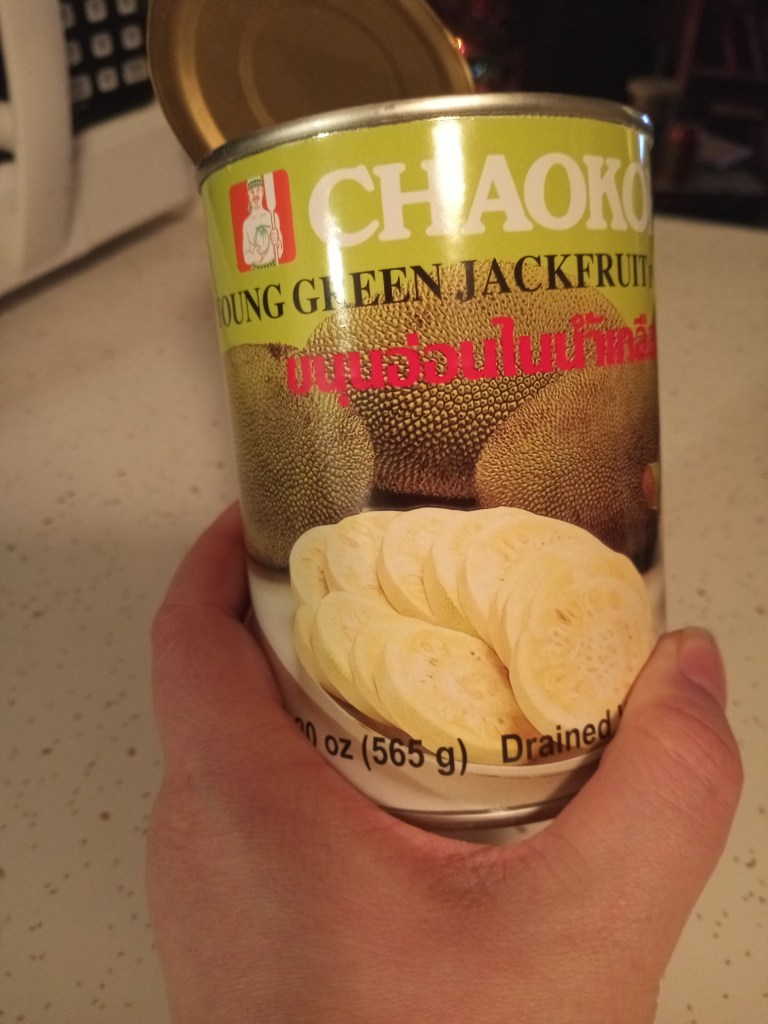
I had my peppers and onions cooked and was about to add my Jackfruit when I opened the can and realized this was not like any Jackfruit I had ever had before. Wasn’t it supposed to be green? This was a beautiful orange color and smelled sweet. I had never had Jackfruit smell sweet before. I even tried to cook with it anyway thinking maybe I was mistaken. Truthfully I knew I wasn’t mistaken but I really wanted cheesesteaks so I tried. It was a failure.

So here is what we learned. When Jackfruit is young and unripe it is called green jackfruit. This is the jackfruit I had seen before. I just had never bought it canned so I didn’t know it was called this when it was young. The jackfruit I bought was ripe and its beautiful orange color.

When jackfruit is young you can use it as a meat substitute like you would use shredded pork, chicken or duck. I have used it in BBQ pork sandwiches. You can use it in tacos and anywhere else you would use a shredded meat.

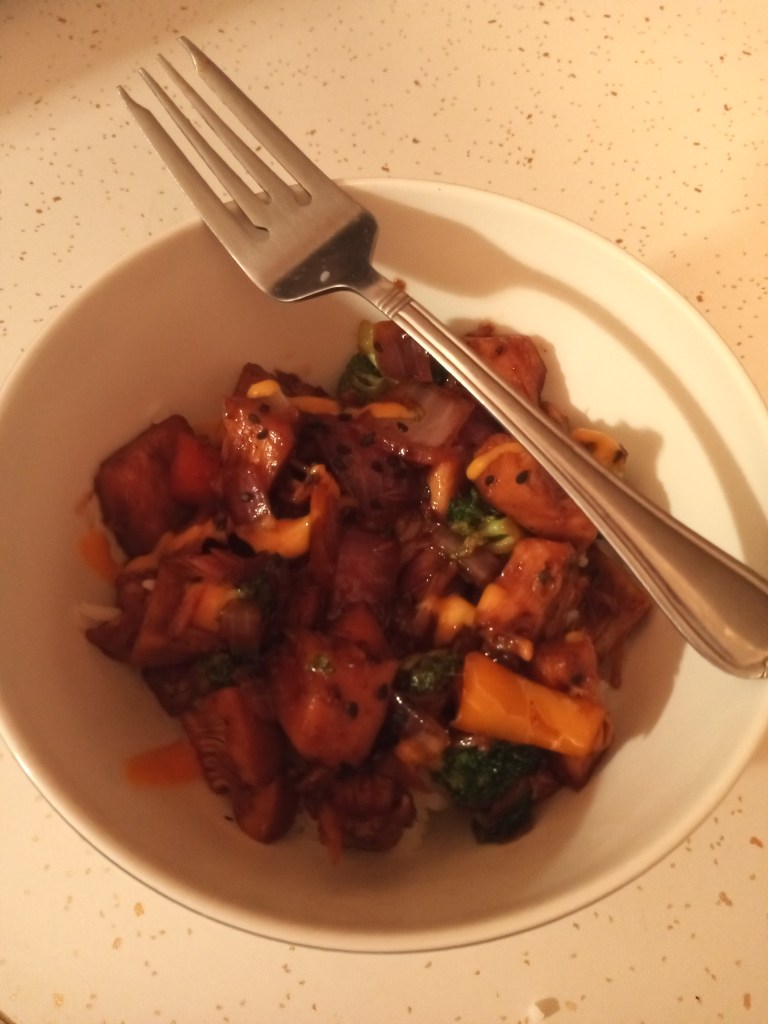
Jackfruit Teriyaki bowl

The ripe Jackfruit can be used in desserts. You can use it anyplace you would use a hearty canned fruit. You can use it in layered Jello desserts. You can use it in baked goods. You can also use it to top a custard dish. There is a dish called Panasa Mulika that is fried Jackfruit fritters.

If you are looking for a new fruit to add to your diet whether it be for your Meat Free Monday or to put it in a pie I’d recommend Jackfruit. It’s hearty and delicious. It is also fairly easy to come by in your local grocery store in the can. I found it in my local Asian market. Let me know what you use Jackfruit for.

Asian pickled carrots and shallots

You! Yes you who are eating ramen for lunch yet again because we are in quarantine and it’s a dime a bag and keeps forever. You need to shake things up a little before you go a little nuts so here’s my gift to you. A sharp and slightly spicy pickle that takes just minutes and will keep all week.

Spice up that noodle bowl

Ingredients

  • 4 carrots, thinly sliced
  • 1 shallot, thinly sliced
  • 1 cup rice wine vinegar
  • 1/4 cup sesame oil
  • 1 tsp. togarashi seasoning
  • 2 tbsp. soy sauce
  • 1 tbsp. chili paste

Directions

  1. Place carrots and shallot in a sterile canning jar.
  2. Put vinegar, oil, soy sauce, chili paste and seasoning into pot and bring to a boil.
  3. Add to jar and seal. Keep in fridge for about 2 weeks.

It may not cover the whole thing but it should cover most of it. Just shake before you use. I recommend against adding water because the oil will separate and it doesn’t become very appetizing to look at. I speak from experience. If you would like to add water because it doesn’t cover everything then omit the sesame oil.

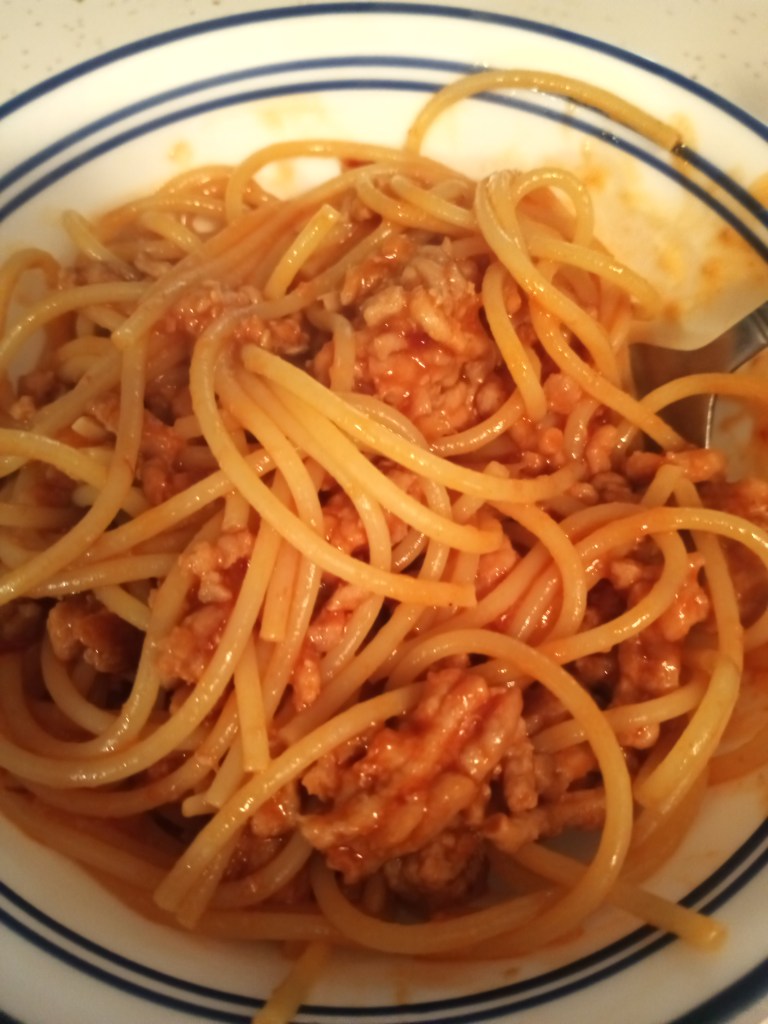
Spicy Sweet Sambal Noodles

Creamy and Spicy

A slight riff off of Bon Appetit’s chris morocco’s recipe.

Ingredients

  • Olive oil
  • 1 pound ground pork
  • 1 2-inch piece of ginger, cut into thin matchstick pieces
  • 5 garlic cloves, thinly sliced
  • 2 tbsp. granulated sugar
  • 4 tbsp. tomato paste
  • 1/3 cup chili paste (sambal oelek is the one I used.)
  • 1/4 cup soy sauce
  • 1/4 cup unseasoned rice wine vinegar
  • 1/4 cup heavy cream
  • 2 tbsp. butter
  • salt
  • spaghetti noodles

Directions

  1. Heat oil in a pan till it reacts like water (freely moving). Add half the pork to the pan and break into large chunks. Cook for five minutes in the pan undisturbed. Flip the pieces and cook for three more minutes.
  2. Add other half of pork, ginger, garlic and sugar to the pan. Break up into small chunks. Cook for five minutes.
  3. Add tomato paste cook about two minutes till it darkens and pork is covered.
  4. Add all of your liquids to the pan and bring to a simmer. Reduce heat and cook for about thirty minutes so the flavors have time to meld together.
  5. Cook noodles till Al Dente then add to pan. Cook till sauce coats noodles. About five minutes.